A quick clicking game can be more than idle fun. Used well, a short burst on Spacebar Clicker makes a surprisingly effective micro break, giving your mind a moment to reset before you return to work refreshed. Used badly, it becomes a distraction. This guide explains the difference and how to make a clicking break work for you.
The short version
- Short, deliberate breaks can restore focus.
- A quick clicking game is simple, absorbing, and self limiting.
- Set a clear end point so a break stays a break.
- Balance matters; a reset should not become an escape.
Why short breaks help focus
Attention is not infinite. After a stretch of concentration, focus naturally frays, and pushing through often produces worse work more slowly. A brief, deliberate pause lets your mind step back and reset, so you return to the task with fresher attention. The key word is brief: a short, contained break restores focus, while a long, open ended one breaks your momentum entirely.
Why clicking works as a reset
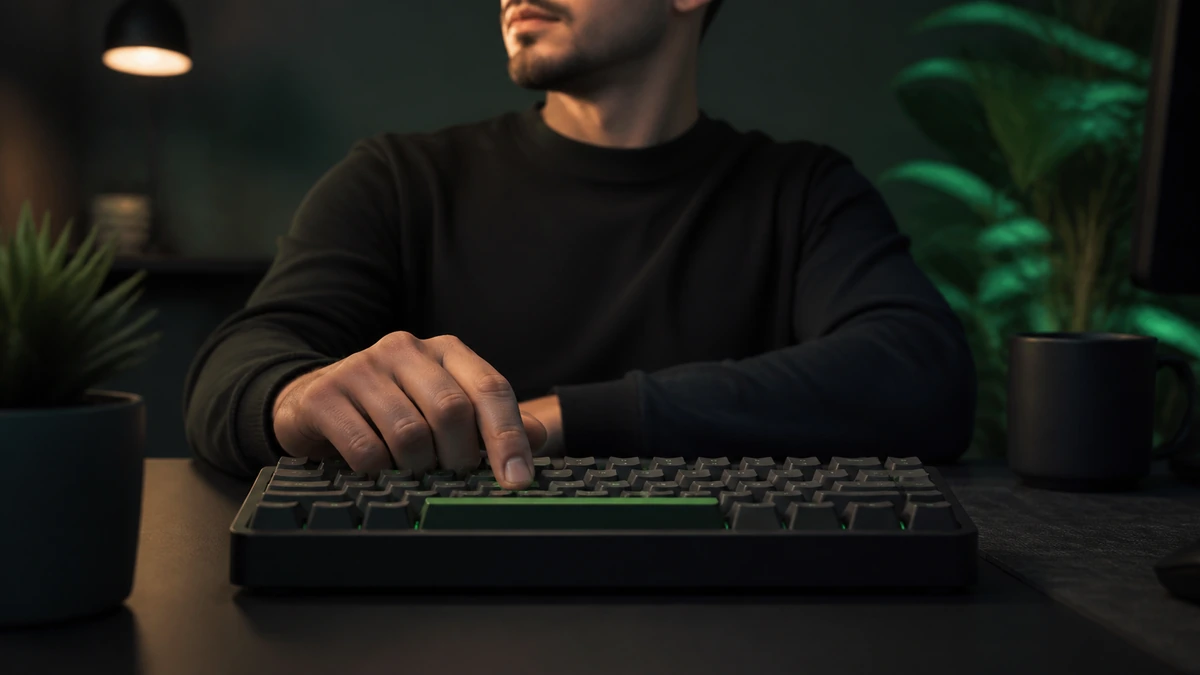
A clicking game suits the micro break because it is simple, absorbing, and naturally short. It gives your analytical mind a rest while your hands do something rhythmic and satisfying, a bit like doodling. A timed run has a built in end point, which is perfect, because the break finishes on its own rather than trailing on. The immediate feedback of a rising counter is enough to occupy you without dragging you into something complicated.
Rhythmic and finite. The best micro break activities are simple and self limiting. A five or ten second clicking run is both, which is why it resets you without swallowing your afternoon.
How to take a good micro break
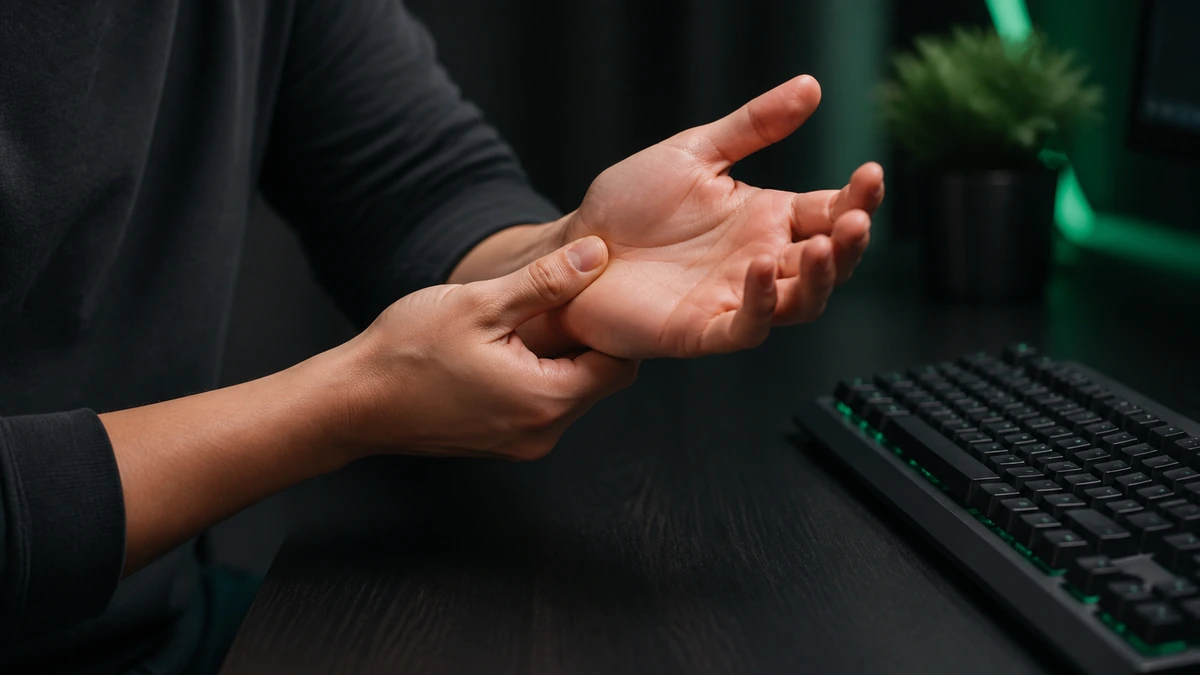
Make it deliberate. When you feel your focus slipping, step away from the task, run a short clicking session, and stretch your hands while you are at it. Keep it to a minute or two. Then, crucially, go back to work. The value is in the reset and the clear return, not in an endless loop of runs. Treat it like standing up to stretch: a quick, purposeful pause, then back to it.
Avoiding the distraction trap
The risk is obvious: a two minute reset can quietly become twenty minutes of just one more run. To avoid the trap, decide in advance how long the break will be, use a timed mode so it ends naturally, and hold yourself to returning afterward. If you find a clicking game pulling you away from work rather than refreshing you, that is a sign to close the tab during focus time and save it for a proper break.
Mind the time. A reset that never ends is just procrastination. Set a limit before you start and honor it.
Building it into your day
Small, regular breaks work better than rare long ones. You might take a short clicking reset between finishing one task and starting the next, or after a long stretch of concentration. Pairing it with a stand up and a hand stretch, as in our warm up guide, turns it into a healthy little ritual that looks after your focus and your hands at once.
Keeping it balanced
Like anything enjoyable, a clicking game is best in moderation. As a quick reset it is genuinely useful. As a constant background distraction it works against you, and heavy repeated clicking can tire your hands. Keep it deliberate, keep it short, and it stays a helpful tool rather than a time sink. Balance is the whole game.
Frequently asked questions
Can a clicking game really improve focus?
A short, deliberate break can restore attention, and a clicking game is a simple, self limiting way to take one. The benefit comes from the reset and the clear return to work.
How long should a focus break be?
A minute or two is plenty. Use a timed mode so it ends on its own, then go back to your task.
Is it not just a distraction?
It can be if you let it run on. Set a limit in advance and return to work afterward, and it stays a reset rather than a distraction.
How often should I take one?
Between tasks or after a long stretch of concentration works well. Small, regular breaks beat rare long ones.