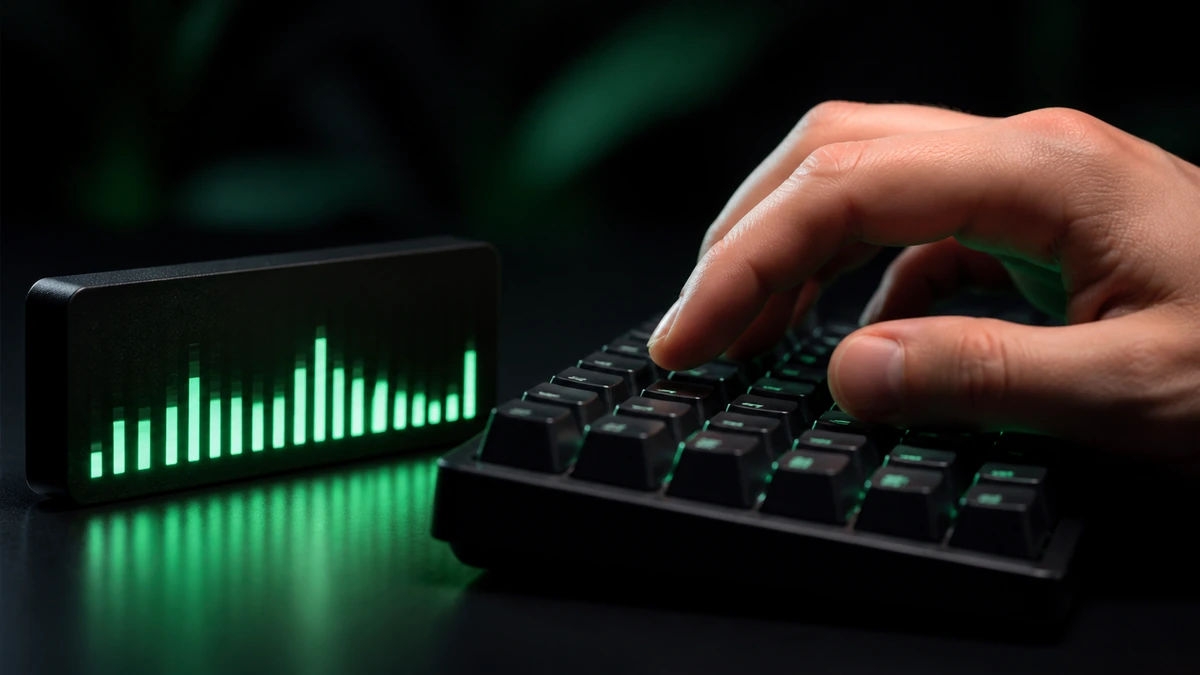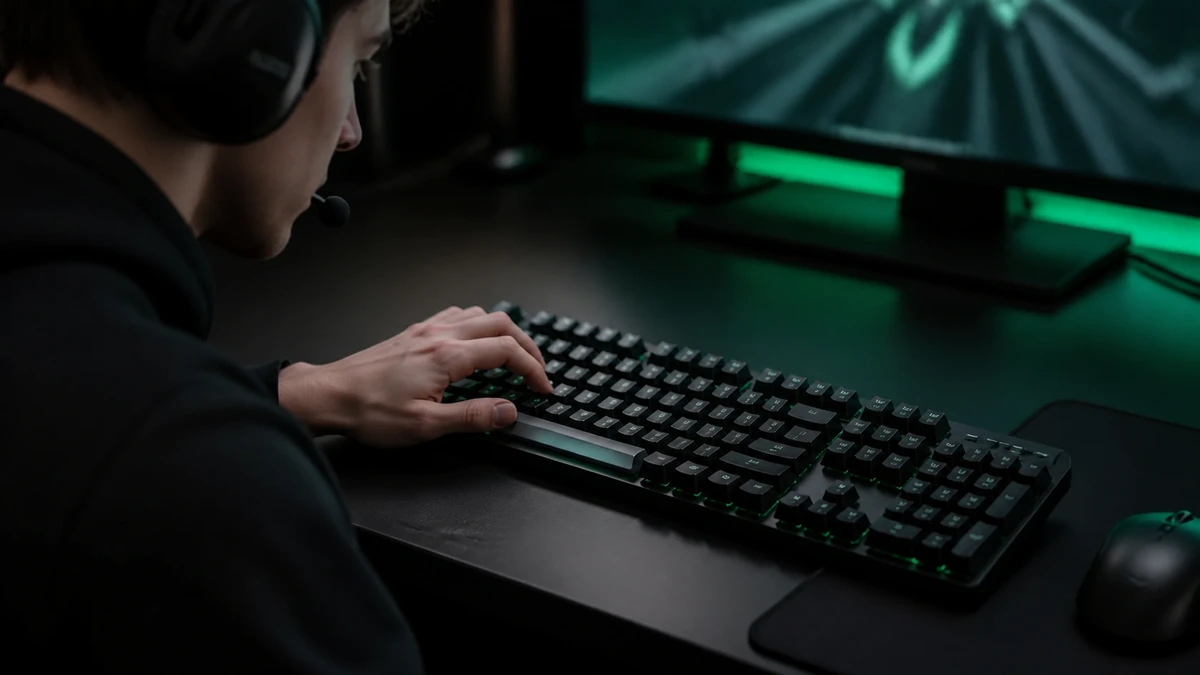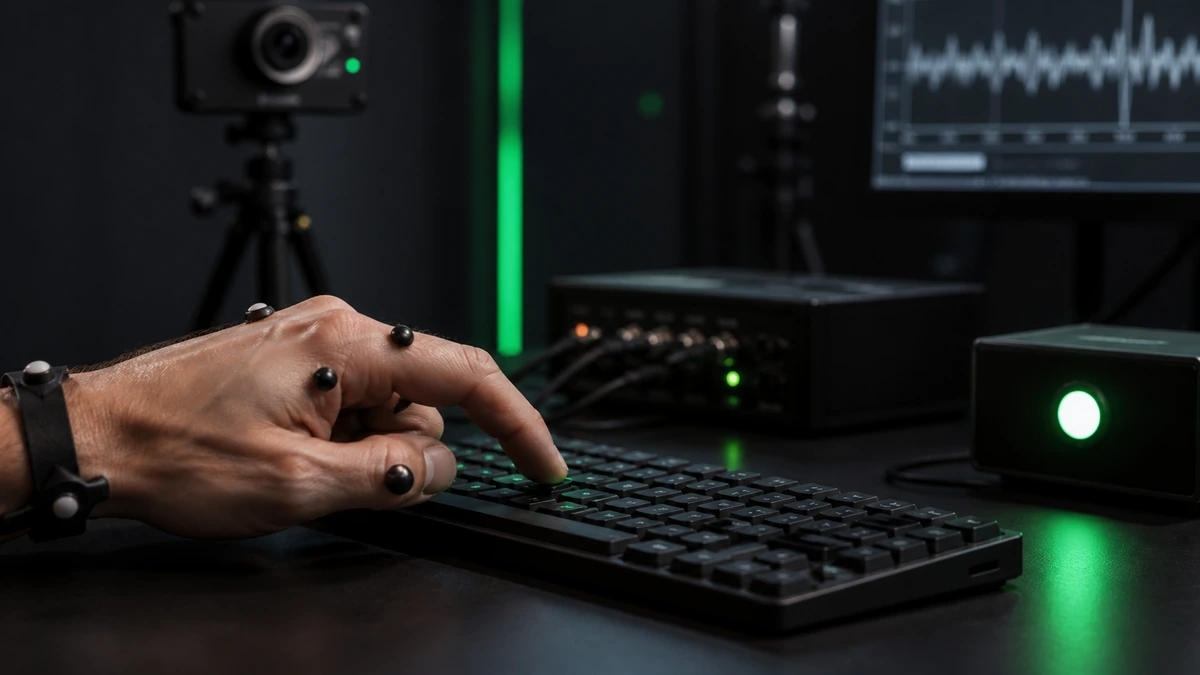
Reaction time and clicking speed are often confused, but they measure very different things. One is how quickly you respond to a signal, the other is how fast you can repeat an action. Understanding the difference explains a key design choice in Spacebar Clicker: why the timer only starts when you do. This is a friendly, non technical look at the science.
The short version
- Reaction time is how fast you respond to a signal.
- Clicking speed is how fast you repeat a press.
- The timer starts on your first press, so reaction time never costs you.
- You can sharpen reaction time a little, but it has natural limits.
What reaction time is
Reaction time is the gap between a signal appearing and your response to it. When a light flashes and you press a key, the time in between is your reaction time. It includes your senses detecting the signal, your brain processing it, and your muscles carrying out the movement. For a simple visual signal, human reaction time typically sits in a couple of hundred milliseconds, which feels instant but is a real, measurable delay.
Reaction time versus clicking speed
These are two separate abilities. Reaction time is about responding once, quickly, to something unexpected. Clicking speed is about repeating a known action as fast as you can, with no surprise involved. You already know you are going to press the spacebar; there is nothing to react to. That is why a person with an average reaction time can still be a fast clicker, and why the two do not have to rise and fall together.
Respond once, or repeat fast. Reaction time measures a single quick response to a signal. Clicking speed measures how fast you can repeat an action you are already expecting.
Why the timer starts on your first press
This distinction drives an important design choice. If the clicker started its timer the instant the page loaded, your score would be dragged down by your reaction time, the delay before you got going, which is not what the tool is trying to measure. Instead, the timer starts on your very first press. That removes reaction time from the equation entirely and measures only what it should: how fast you can press once you have begun. Our CPS guide explains the resulting calculation.
What affects reaction time
Several things influence how quickly you react. Alertness and rest play a big role, since a tired mind reacts slowly. The type of signal matters too, as sound is often reacted to slightly faster than sight. Age, focus, and even how expected the signal is all shift the number. These factors are why reaction time varies from moment to moment and person to person, and why it is measured separately from clicking speed.
Can you improve it
You can sharpen reaction time a little with practice, rest, and focus, but it has natural limits. Being well rested, warmed up, and alert brings you closer to your personal best, while fatigue and distraction push you away from it. The gains are modest, though; nobody trains their way from average to superhuman. This is different from clicking speed, where practice and technique can produce larger, clearer improvements over time.
How it connects to clicking
The two abilities meet in real tasks like gaming, where you often need to react to something and then press quickly and repeatedly. Warming up helps both, since a rested, alert, loose hand reacts faster and clicks faster. But when you use Spacebar Clicker, remember that you are training and measuring clicking speed, not reaction time. If you want to explore how clicking speed helps in games, our gamers guide goes further.
Frequently asked questions
Is reaction time the same as clicking speed?
No. Reaction time is how fast you respond to a signal once. Clicking speed is how fast you repeat a press you are already expecting.
Does my reaction time affect my CPS score?
No. The timer starts on your first press, so your reaction time before you begin does not count against your score.
Can I improve my reaction time?
A little, through rest, focus, and warming up, but it has natural limits. Clicking speed usually responds more to practice.
Why does the timer wait for my first press?
So that your reaction time never lowers your score. The tool measures pressing speed, not how quickly you got started.